Salty Vibes PNG Design: A Designer's Real-World Embroidery Review
As someone who has spent years turning digital files into tangible, stitched treasures for clients and craft fairs alike, I approach every new download with a mix of excitement and skepticism. There is a distinct difference between a graphic that looks good on a screen and one that translates beautifully through needle and thread. Today, I am evaluating the Salty Vibes PNG Design, a file marketed as a high-quality sublimation asset perfect for crafting niches. My goal here is not to simply describe what it is, but to walk you through how this specific design performs when pulled from the computer and placed under the embroidery machine hoop.
The First Impression: Mood and Visual Personality
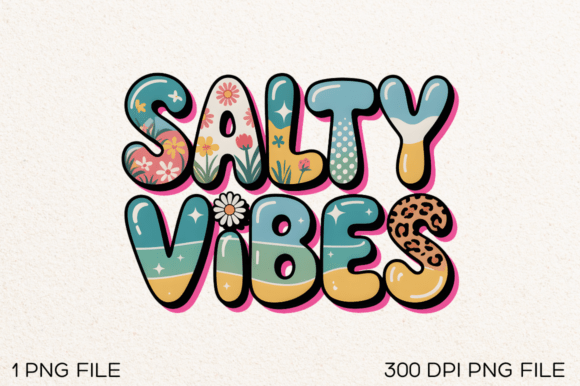
When I first opened the file, the immediate takeaway was its relaxed, coastal energy. The phrase "Salty Vibes" combined with the implied beach aesthetic creates a mood that is instantly recognizable to anyone looking for summer-themed merchandise. For an embroidery project, the visual personality is crucial because stitching adds texture and dimension that flat graphics lack. This design feels like it belongs in a casual, fun environment rather than a formal corporate setting.
The layout appears balanced, suggesting it could work well as a chest pocket placement or a centered back print on a garment. However, my initial reaction focused on the details. In the world of T-Shirt Designs and Graphics, simplicity often wins when moving to physical media. If the original PNG contains fine lines or tiny text, those are the first things to disappear during the digitizing process. Assuming the design retains its clarity, the vibe suggests a product that would resonate strongly with vacationers, surf enthusiasts, and anyone who loves the ocean breeze.
Real-Life Scenario: From Screen to Stitched Tote
To truly understand the utility of Salty Vibes PNG Design, let us imagine a real-world scenario. You are a small business owner preparing inventory for a summer craft fair. You decide to create custom embroidered tote bags to sell alongside your other handmade goods. You have selected a sturdy canvas bag, and you are considering using this design for the front panel.
Here is where the practical judgment comes in. When I visualize this design stitched onto a tote bag, I think about the durability required for a bag that will be carried daily. The theme fits perfectly; a beachy slogan on a canvas bag screams "summer ready." However, if the design includes intricate waves or delicate script, the density of the stitches might make the fabric pucker on a thin tote. Conversely, if the design relies on bold fill stitches, it will hold up remarkably well against the friction of carrying groceries or beach gear.
Imagine also using this for a baby onesie. The softness of the fabric requires a lighter touch with stitch density. A heavy-handed application of Salty Vibes PNG Design on a baby item could result in a stiff patch that irritates sensitive skin. This highlights why understanding the end-use product is vital before hitting the start button on your machine.
Performance Across Different Textiles and Garments
This design has the potential to shine across a wide variety of products, but success depends heavily on the material. For custom apparel like sweatshirts, the thicker fleece provides excellent stability, allowing the design to pop without distortion. The contrast between the thread colors and the dark fabric of a hoodie can make the "Salty Vibes" message stand out vividly.
However, challenges arise with stretchy fabrics. If you attempt to embroider this on a jersey knit t-shirt without proper stabilizer, the tension of the stitches will cause the fabric to gather, ruining the crisp look of the design. Similarly, textured fabrics like waffle knits or bouclé can hide the finer details of the embroidery. In these cases, the design might lose its definition, making it look muddy rather than crisp.
For accessories like caps or hats, the curved surface presents another variable. A design that looks flat on a mockup might warp when wrapped around the curve of a hat brim. If Salty Vibes PNG Design features horizontal text, it must be carefully arched to follow the contour of the cap, or it will look unnatural to the customer.
Where to Exercise Caution
- Small Hoop Sizes: If the design includes detailed corners or tiny lettering, shrinking it down for a small hoop (like 4x4 inches) may result in lost detail. Always check the minimum size requirements.
- Dense Stitch Areas: High-density fill stitches can make the fabric feel rigid. This is acceptable for a durable apron but might be uncomfortable for a pillow cover intended for decorative use.
- Dark Fabrics: Ensure there is sufficient underlay or thread coverage so the base color of the fabric does not show through the design, especially if light-colored threads are used.
- Frequent Washing: For items like kitchen towels or beach towels that undergo frequent laundering, the longevity of the stitches is key. Loose running stitches might snag easily.
Impact on Product Value and Brand Consistency
In the competitive world of Etsy selling and boutique branding, the quality of the finished product directly influences customer trust. A well-executed embroidery file elevates a simple $15 tote bag into a perceived $30 premium item. When customers see clean edges, consistent thread tension, and a design that sits perfectly on the garment, they associate that professionalism with your brand.
Salty Vibes PNG Design offers a distinct opportunity for brand consistency. If your shop specializes in coastal living or beachwear, this design acts as a visual anchor. It signals to buyers that you understand their lifestyle. However, if the digitization results in jagged lines or poor color transitions, it can undermine the handmade appeal. The design must feel intentional and polished to justify a higher price point.
Practical Designer Notes for Execution
Before you commit this design to a final production run, there are several critical steps any experienced designer should take. First and foremost, test the design on scrap fabric. This allows you to gauge how the stitch density interacts with your specific material. You need to verify that the hoop size accommodates the design without cutting off important elements.
Review the thread colors carefully. A design that looks vibrant in RGB on your monitor might appear dull in Pantone thread. Consider testing the design in black and white mockups to ensure the contrast remains strong regardless of the color palette. Also, inspect the small details closely; sometimes, tiny gaps in the digitizing become visible only after the machine finishes the job.
If you plan to use this for commercial embroidery or to sell finished items, confirm the licensing terms immediately. Just because a file is sold as a digital download does not automatically grant commercial rights for mass production. Additionally, always use the proper stabilizer for the fabric type. Without adequate support, even the best design will fail.
Final Thoughts on Usability
The Salty Vibes PNG Design holds promise as a versatile asset for creators looking to add a touch of coastal charm to their handmade products. Whether you are creating a personalized gift for a friend, a batch of holiday gifts, or a line of boutique branding materials, this design fits naturally into the narrative of summer relaxation.
Ultimately, the success of this project lies in the execution. By treating the digital file as a blueprint rather than a final image, and by rigorously testing it on various fabrics and garments, you can transform a simple graphic into a high-value finished product. For the creative entrepreneur, the difference between a good design and a great one is often found in the preparation and attention to detail before the first stitch is made.