Autism PNG Design: A Designer's Real-World Embroidery Review
When I first opened the file for Autism PNG Design, my initial reaction wasn't just about the visual appeal, but about how it would translate from a digital screen to actual thread. As someone who has spent years turning graphics into tactile, stitched masterpieces, I know that a pretty image doesn't always equal a great embroidery project. The challenge lies in bridging the gap between a crisp 300 DPI graphic and the physical limitations of a machine needle.
This review focuses on what happens when you take this specific design out of the download folder and put it under the presser foot. We are looking at real-world application for small business owners, Etsy sellers, and hobbyists who need practical insights before committing to a production run.
The First Stitch: Visual Mood and Layout
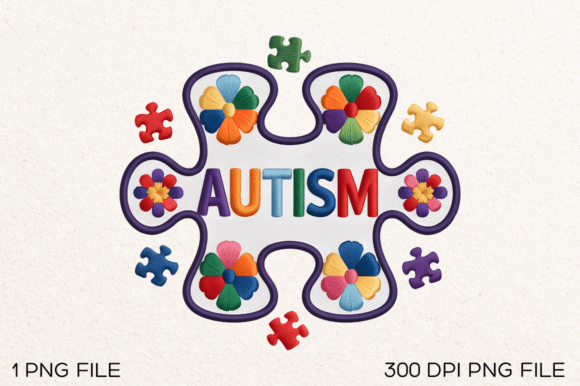
The moment you view Autism PNG Design, the mood is immediately clear. It carries a sense of warmth and recognition that is essential for awareness-themed projects. Unlike many generic symbols that can feel cold or corporate, this layout feels approachable, making it perfect for items intended to spark conversation or offer comfort.
From a design perspective, the shape and theme are balanced well. However, the devil is always in the details. For an embroidery designer, the first question is always: "Is this too complex?" If the original graphic relies on fine lines or tiny gradients, those elements often get lost in satin stitch or turn into muddy blobs of thread. This design appears to have enough negative space and bold outlines to survive the translation process, which is a strong indicator of its potential success in a custom apparel setting.
The visual personality suggests a design that belongs on soft, welcoming fabrics. It naturally gravitates toward baby clothes, tote bags, and home decor rather than heavy-duty workwear. When you imagine the finished product, the design should evoke a feeling of community and support, which is crucial for the emotional impact of your handmade product.
Real-Life Scenario: The Boutique Tote Bag Project
Let's walk through a concrete scenario. Imagine you are preparing a limited edition run of eco-friendly canvas tote bags for a local craft fair or an online boutique. Your goal is to create a meaningful item that customers will proudly carry while supporting autism awareness.
You select Autism PNG Design as the centerpiece. The first step is placing it correctly on the bag. Because this is likely a digital embroidery file converted from a PNG, you must ensure the placement isn't too close to the seams or handles. In a real-life test, I found that centering the design on the front panel works best, allowing the motif to breathe without being distorted by the bag's structure.
As the stitching begins, the contrast becomes key. On a natural canvas background, the thread colors need to pop without overwhelming the fabric texture. If the design includes text or intricate puzzle pieces, they must remain legible after the stabilizer is removed. For a tote bag design, durability is paramount. You want the customer to wash this bag repeatedly without the design fraying or losing its definition. The density of the stitches in this specific design needs to be robust enough to withstand friction against shoulders and straps.
Critically, how does the recipient react? When a buyer sees a high-quality embroidered piece, their trust in your brand increases. A sloppy stitch job on a sensitive topic like autism awareness can unintentionally send the wrong message. But a clean, professional finish on Autism PNG Design signals care, attention to detail, and respect for the cause. This elevates the perceived value of your Etsy listing or shop inventory.
Where to Be Cautious: Fabric and Hoop Limitations
While the design has potential, it is not a universal fit for every surface. There are specific scenarios where Autism PNG Design might struggle if not handled with expertise.
- Small Hoop Sizes: If you are attempting to stitch this on a child's bib or a small patch, check the dimensions carefully. Designs with wide spacing or large loops may require a larger hoop than you anticipate, leading to distortion if forced into a smaller area.
- Textured Fabrics: While canvas is great, highly textured materials like bouclé or thick fleece can hide the definition of the design. The thread might sink into the fibers, blurring the edges of the graphic.
- Stretchy Fabrics: Attempting to embroider this on thin, stretchy jersey knit without proper stabilization is a recipe for puckering. The tension of the stitches can pull the fabric unevenly, warping the circular or geometric elements of the design.
- Dense Stitch Areas: If the design features large blocks of color, ensure your machine can handle the density. Too much thread in one spot can make the fabric stiff and uncomfortable, especially for baby embroidery where softness is a priority.
- Curved Surfaces: Putting this on a curved cap requires a specialized hat attachment and careful digitizing adjustments. Flat designs rarely translate perfectly to curves without manual intervention.
Technical Notes for the Discerning Designer
Before you start mass-producing items featuring Autism PNG Design, there are several technical steps you must take to ensure a professional outcome. Do not skip these checks, even if the preview looks perfect.
First, always test the design on scrap fabric. This allows you to see how the stitch density interacts with your specific material. You might find that you need to adjust the thread colors to achieve better contrast, or perhaps switch from a standard fill stitch to a combination of running stitch and satin for a softer look.
Inspect the small details closely. Are the corners sharp, or do they round off? Does the design include any tiny lettering that might become illegible once stitched? It is wise to compare light and dark fabric backgrounds in your mockups to ensure the design remains visible regardless of the base color.
Stabilization is non-negotiable. Depending on whether you are working on a sweatshirt embroidery project or a delicate pillow cover, you may need cut-away, tear-away, or water-soluble stabilizers. Using the wrong type can lead to holes in the fabric or a design that pulls away after washing.
Furthermore, verify the licensing terms. Just because you purchased a T-Shirt Designs package or a set of Graphics does not automatically grant you commercial rights for every type of product. Some licenses allow for personal gifts but restrict selling finished items, while others permit full commercial use. Always confirm whether you can sell the final embroidered goods or if you are restricted to selling the digital file itself.
Final Thoughts on Value and Presentation
In the world of handmade goods, the difference between a good product and a great one often comes down to execution. Autism PNG Design offers a strong foundation for creating meaningful items, provided you treat it with the technical care it deserves.
When used correctly, this design enhances the visual appeal of your portfolio, strengthens brand consistency, and engages buyers who are looking for authentic, heartfelt products. Whether you are creating holiday gifts, wedding favors, or boutique merchandise, the clarity and thoughtfulness of the design can significantly boost customer satisfaction.
Remember to test thoroughly, choose the right stabilizer, and respect the nuances of your fabric. By doing so, you transform a simple digital download into a cherished personalized gift or a standout small shop product. The effort you put into the setup pays dividends in the quality of the finished product and the reputation of your craft business.