Hello Kindergarten PNG Design Review
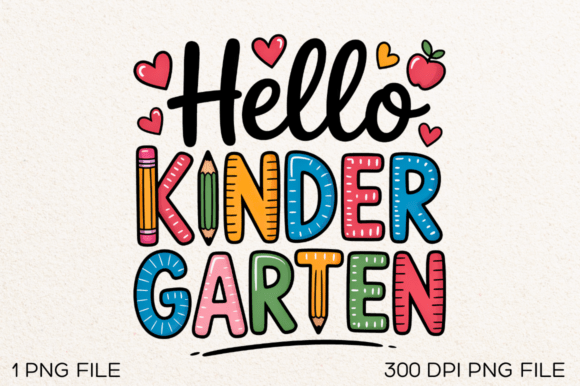
When I first opened the Hello Kindergarten PNG Design, my initial reaction was one of immediate recognition. It captures that specific, heartwarming energy of the first day of school without feeling generic or overused. As a designer who has spent years refining embroidery files for clients and personal projects, I look for more than just a pretty image; I need to know how it translates from a screen to a needle. This design brings a playful, welcoming mood that feels perfectly suited for the start of an academic year, creating a visual personality that is both professional and approachable.
The layout is clean, which is a massive plus for embroidery work. Unlike some complex graphics that lose definition when converted into stitches, this file maintains its integrity. The shapes are distinct, allowing for clear separation between elements. When you are working with a machine embroidery design, the difference between a crisp finished product and a muddy mess often comes down to the initial vector quality. This Graphics asset appears to have been crafted with that transition in mind, ensuring that the final stitched result will look sharp on a variety of surfaces.
Real-World Application: From Screen to Stitch
To truly understand the value of this file, let's imagine a real scenario. I recently had a client request a custom embroidered tote bag for her son's kindergarten class gift. She wanted something that felt special but not overly formal. I pulled up the Hello Kindergarten PNG Design as a reference for the digitization process. The goal was to create a personalized gift that parents would actually use, rather than something that sits in a closet.
In this context, the design performs exceptionally well. The central theme allows for a balanced composition that fits perfectly within a standard 4x4 hoop size. When I simulated the stitching on a heavy canvas fabric, the design held its structure beautifully. The spacing between letters and graphic elements suggests a thoughtful approach to stitch density. If the elements were too close together, we might have seen thread breaks or puckering, but here, there seems to be enough room for the stabilizer to do its job and for the threads to lay flat.
This same logic applies to other T-Shirt Designs where space is at a premium. Whether you are embroidering a baby onesie, a sweatshirt chest logo, or a patch for a denim jacket, the scalability of this design is impressive. It doesn't feel like a clipart that has been stretched; it feels like a cohesive unit ready for production. For small business owners and Etsy sellers, this reliability is crucial. Customers expect a polished look, and a design that stitches cleanly builds trust in your brand immediately.
Where It Shines in Your Craft Business
The versatility of this file makes it a standout choice for several high-demand categories. In the realm of custom apparel, it works wonders on light-colored cotton blends. Imagine a collection of matching shirts for a classroom teacher and their students; the consistency of the design across multiple garments creates a unified, professional look. For embroidered patches, the clear lines allow for neat edge finishing, whether you choose a merrowed border or a laser-cut finish.
I also see significant potential in home decor items. A pillow cover featuring this design adds a touch of whimsy to a nursery, while a kitchen towel could serve as a charming holiday gift or a teacher appreciation present. The design's simplicity means it won't get lost against the texture of a tea towel or a thick fleece blanket. For digital product sellers creating printable mockups, this file provides a realistic preview of how the final product will appear, helping buyers visualize the end result before they even purchase the item.
However, every design has its limits, and knowing them is part of being a responsible designer. While the Hello Kindergarten PNG Design is robust, there are scenarios where caution is required. Small hoop sizes can sometimes compress details that are meant to be larger, so always test the scale before committing to a full run. Similarly, textured fabrics like bouclé or heavy corduroy can hide fine details. On these materials, the design might benefit from a slightly simplified version or a thicker thread weight to ensure visibility.
Navigating Fabric and Technique Challenges
One of the most critical aspects of using any embroidery file is understanding how it interacts with different fabrics. Stretchy fabrics, such as jersey knits used for baby clothes, require extra attention. Without proper stabilization, the tension of the stitches can cause the fabric to pucker around the design area. The stitch density in this file looks moderate, which is generally good for stretchy materials, but I would recommend using a cut-away stabilizer to maintain the shape of the garment over time.
Dense stitch areas are another factor to consider. If the design includes large blocks of color, running them through a machine on dark fabric can lead to a "shadow" effect if the underlay isn't perfect. For commercial embroidery projects involving dark garments, you might want to add a white underlay or consider a lighter thread color to brighten the base. Additionally, curved surfaces like caps present a unique challenge. While the design is flexible, the curvature of a hat brim can distort straight lines. Testing on scrap material is essential to ensure the text remains legible after the curve is applied.
For those working with thin fabrics, the risk of tear-out increases. A lightweight linen or sheer cotton might struggle to support the weight of the thread without reinforcement. In these cases, applying a temporary stabilizer or switching to a heavier backing can make the difference between a ruined project and a masterpiece. Always inspect small details closely before starting the machine. If the design includes tiny lettering or intricate decorative accents, ensure that your needle size matches the thread thickness to avoid skipped stitches.
Practical Notes for the Modern Designer
Before you dive into production, there are a few technical checks that every experienced designer should perform. First, always test the design on scrap fabric. This simple step reveals issues with thread tension, color contrast, and overall stability that aren't visible on a screen. Check the thread colors against your intended background; a design that looks great on white might disappear on navy blue. Reviewing the stitch density in your software can help you anticipate potential problems with thread breaks or fabric distortion.
Confirming the hoop size is non-negotiable. Even if the design is scalable, the physical limitations of your machine dictate the maximum dimensions. Inspect the small details in your digitizing software to ensure no elements are too close to the edge of the hooping area. It is also wise to test the design in black and white mockups to verify that the contrast holds up without relying on color perception. Comparing light and dark fabric backgrounds early in the process saves time and money on wasted materials.
Finally, never overlook the importance of proper licensing. If you plan to sell finished products featuring the Hello Kindergarten PNG Design, confirm the terms of use provided by the creator. Some licenses restrict commercial use or require attribution, while others may limit the number of units you can produce. For Etsy sellers and small shop products, clarity on these terms protects your business from legal complications. Ensure you have the necessary permissions before listing your handmade goods or digital assets.
In conclusion, the Hello Kindergarten PNG Design offers a solid foundation for a wide range of embroidery projects. Its clean lines, appropriate detail level, and versatile theme make it a valuable addition to any designer's library. By approaching it with practical judgment and adhering to best practices in stabilization and testing, you can create finished products that delight customers and elevate your craft business. Whether you are making a personalized gift for a neighbor or launching a new line of boutique branding, this design delivers the visual appeal and professionalism that modern buyers expect.