Open Book Frames Vector Art: A Designer's Stitch Test
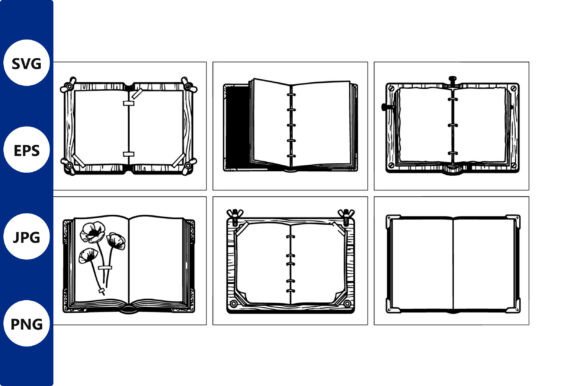
When I first opened the folder for Open Book Frames Vector Art, my initial reaction wasn't about stitch counts or file formats. It was about the mood. There is a specific nostalgia that comes from seeing an open book with minimal markings, floral sprigs, and spiral binding accents rendered in clean black lines. As someone who has spent years turning digital graphics into tangible stitched products, I immediately started visualizing this design on various surfaces. It feels less like a generic clip art piece and more like a carefully curated vintage illustration waiting to be brought to life.
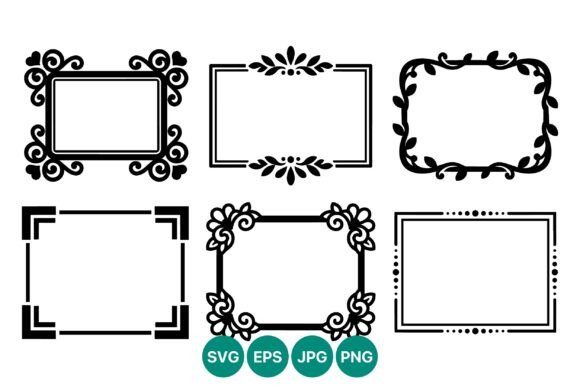
This vector set features open books, notebook textures, and ornate frames that convey a distinct storybook atmosphere. For the embroidery designer looking to create something with character, this is promising. However, translating a delicate line drawing into a machine embroidery design requires a critical eye. Does it hold up under tension? Will the details get lost in the thread? Let's walk through how I would approach using Open Book Frames Vector Art in a real-world scenario.
The Real-World Scenario: The Literary-Themed Boutique Tote
Imagine you are preparing inventory for a local craft fair or launching a new collection on Etsy. You have a client request for a custom embroidered tote bag featuring a literary theme. They want something sophisticated but not cluttered—perfect for a bookstore owner or a reading club gift. This is where Open Book Frames Vector Art shines.
I envision placing the ornate frame around the central open book motif on the front panel of a heavy-duty canvas tote. The spiral binding accents provide a nice linear element that can guide the eye, while the floral sprigs add just enough softness to balance the rigid structure of the book. When I imagine the finished product hanging on a rack, the black lines of the original vector translate well into a classic monochromatic thread palette. It suggests professionalism and attention to detail, qualities that drive customer trust in handmade goods.
But before I commit to running the production batch, I need to consider the practicalities of stitching this graphic. The design falls under the category of Illustrations and Graphics, which often means they rely heavily on fine lines rather than large blocks of color. In the world of machine embroidery design, fine lines can be tricky. If the stitch density is too high, the fabric might pucker. If it is too low, the definition of the floral sprigs could vanish.
Performance on Different Fabrics and Products
Open Book Frames Vector Art is versatile, but its success depends entirely on the substrate. On stable fabrics like cotton twill or denim, the design performs beautifully. The satin stitches used for the outlines of the book pages and the frame will lay flat and crisp. This makes it an excellent choice for sweatshirt embroidery where a bit of texture is actually desirable, adding depth to the vintage aesthetic.
For baby embroidery, such as on a onesie or a soft muslin blanket, the design offers a gentle, timeless look. The minimal markings on the pages ensure there is no overwhelming visual noise, which is perfect for nursery decor. However, if you plan to use this for a custom apparel project like a fitted t-shirt, you must be cautious. Stretchy fabrics require a different stabilizer strategy to prevent the running stitch elements of the notebook texture from distorting when the wearer moves.
I also see potential here for kitchen towels and apron designs. The black line art contrasts sharply against white or cream linen, creating a chic, modern farmhouse vibe. For a holiday gift, a small embroidered patch version of this design could be sewn onto a woolen scarf or a felt ornament. The ornate frame provides a natural border that looks intentional even when cropped slightly, making it forgiving for smaller projects.
Where to Proceed with Caution
Not every surface is a good home for this design. While Open Book Frames Vector Art is elegant, it is not indestructible. Small hoop sizes present a significant challenge. If you attempt to stitch this on a very small item, like a cap brim or a tiny baby bootie, the intricate details of the floral sprigs and the spiral binding may merge into a solid blob of thread. In these cases, the design loses its personality and looks muddy.
Textured fabrics can also be problematic. If you try to embroider this on a thick, nubby bouclé or a highly textured knit, the needle path might struggle to penetrate evenly, leading to skipped stitches or uneven coverage. Similarly, thin fabrics without adequate backing will likely pucker around the dense areas of the frame. Dark fabrics pose another hurdle; unless you are using a heavy layer of white underlay or a specific thread color strategy, the black lines of the original vector might disappear into the dark background, requiring a complete recoloring of the design assets.
Curved surfaces like caps require precise digitizing adjustments. A flat vector design needs to be warped correctly to follow the curve of the hat, or the perspective of the open book will look distorted. Furthermore, products that need frequent washing, like aprons or work shirts, demand robust construction. If the design relies on long, loose threads for the "minimal markings" on the pages, those threads might snag or fray over time. For commercial items that will endure wear and tear, ensuring the stitch density is sufficient is non-negotiable.
Design Notes for the Professional Maker
Before you hit the start button on your embroidery machine, there are several steps you must take to ensure the quality of your finished product. First and foremost, test the design on scrap fabric. This simple step reveals issues with tension, pull compensation, and thread breakage that you cannot see on a screen. Check the thread color contrast carefully; sometimes a pure black thread on a black garment needs a subtle highlight thread to catch the light and define the details.
Review the stitch density specifically for the ornate frame sections. If the design is too dense, the fabric will become stiff and uncomfortable. If it is too sparse, the image will lack definition. Confirm your hoop size matches the design dimensions to avoid unnecessary trimming or re-hooping. Inspect the small details, particularly the floral sprigs, to ensure they are large enough to be recognizable after stitching.
It is also wise to test the design in black and white mockups before committing to a full production run. This helps visualize how the graphics will interact with different fabric colors. Compare light and dark backgrounds to see if the design retains its integrity. Always use proper stabilizer; for a design with fine lines like this, a cut-away stabilizer is often best to maintain shape stability over time. Finally, check whether the design works for both personal and commercial projects and confirm licensing terms before selling finished items or digital products. This protects your business and ensures ethical use of design assets.
Final Verdict on Visual Appeal and Value
In the end, Open Book Frames Vector Art is a strong candidate for any maker looking to elevate their brand consistency. The vintage style resonates with customers who appreciate craftsmanship and storytelling. When executed well, it adds perceived value to a handmade product, making a simple tote bag or pillow cover feel like a bespoke gift. The design encourages buyer engagement because it sparks conversation; people love to ask about the imagery behind a piece of art.
Whether you are an Etsy seller building a shop, a small business owner creating merchandise, or a hobbyist making a personalized gift, this vector set offers a reliable foundation. It strikes a balance between complexity and simplicity, allowing for creative freedom while maintaining a clear visual identity. By treating the transition from vector to thread with care and following practical testing protocols, you can turn these digital lines into a stunning physical reality that stands out in a crowded market.
For the creative entrepreneur, the key is to respect the medium. Embroidery is not just printing; it is a tactile process. With Open Book Frames Vector Art, the potential for beautiful, meaningful creations is high, provided you approach the technical execution with the same attention to detail as the design itself.