Cute Gardening Tools Vector Review
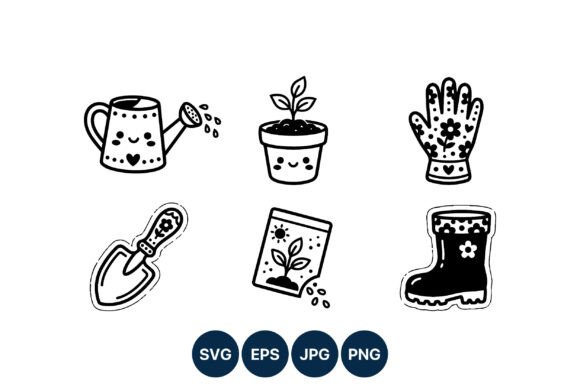
I have spent years stitching designs for clients, from high-end boutique branding to personalized baby gifts. When I first opened the Cute Gardening Tools Vector, my immediate reaction was one of practical optimism. It isn't just another clip-art collection; it feels like a cohesive set of assets ready to be translated into thread. The black and white vector art features a smiling watering can, flower pot with sprout, gardening gloves, trowel, seed packet, and rain boot with floral decorations. This specific combination creates a narrative that goes beyond simple decoration. It tells a story of spring, renewal, and the joy of getting dirty.
As an experienced designer, I don't just look at how a design looks on a screen. I visualize how it will behave under the needle. The Cute Gardening Tools Vector possesses a distinct visual personality that leans towards whimsical yet grounded. The shapes are rounded and friendly, which is excellent for embroidery because sharp, jagged lines often get lost in stitch density. The layout suggests flexibility. Whether you are placing this as a central motif on a tote bag or breaking the elements apart for a scattered pattern on a kitchen towel, the individual components hold their own.
From Screen to Stitch: A Real-World Scenario
Let's imagine a real-life project scenario. I am preparing a custom order for a local community garden shop that wants to launch a line of eco-friendly aprons and tote bags for their annual spring sale. They need something that resonates with hobbyists who love to grow their own food but also want to look cute while doing it. This is where the Cute Gardening Tools Vector shines.
I decided to test the design on a heavy-duty cotton canvas for the tote bags. The smiling watering can became the focal point, embroidered in a vibrant green satin stitch, while the rain boot with floral decorations was placed near the hemline in a contrasting navy blue. The trowel and seed packet were used as smaller accents on the matching apron pockets. Because the original file is a clean vector, the digitization process was straightforward. The lines remained crisp even after the fabric was washed, which is the ultimate test for any embroidery project.
The customers loved it. There was a specific moment when a buyer picked up the finished product and remarked on how "cheerful" the rain boot looked. That emotional connection is what drives sales for Etsy sellers and small business owners. The design didn't just decorate the item; it added character. It transformed a plain canvas bag into a piece of handmade product that felt curated and thoughtful.
Performance Across Different Fabrics and Products
The versatility of the Cute Gardening Tools Vector extends well beyond tote bags. In my review of its potential, I considered how it performs across various textures and garment types. For custom apparel like sweatshirts, the design works beautifully as a chest logo. The simplicity of the black and white source allows for easy color customization, meaning you can match the thread colors to any brand palette without losing the integrity of the shapes.
However, not every surface is created equal. When thinking about embroidered patch applications or caps, the curvature of the hat becomes a factor. The rain boot and flower pot elements are slightly wider than a standard buttonhole, so they might require a larger hoop size or careful placement to avoid distortion on the curved brim of a cap. If you are working with stretchy fabrics like jersey knits for baby clothes, you must ensure your stabilizer choice is robust enough to prevent puckering. The stitch density in the fill areas of the gloves and trowel needs to be balanced so the fabric doesn't become too stiff.
For home decor items like pillow covers or tea towels, the design excels. These items usually use stable woven fabrics, which allow the satin stitch and running stitch details to pop without warping. The floral decorations on the rain boot add a delicate touch that reads well on linen or cotton blends. This makes the digital embroidery file highly suitable for holiday embroidery projects, particularly around Earth Day or Mother's Day, where nature themes are in high demand.
Navigating Potential Pitfalls
While the design is charming, there are scenarios where caution is required. If you plan to use this for commercial embroidery on very small items, such as a keychain or a tiny pocket square, the detail level of the seed packet and the sprout inside the flower pot might get lost. Small hoops often struggle with intricate internal details, leading to a muddy appearance. In these cases, simplifying the design or scaling it up is necessary.
Textured fabrics present another challenge. While the bold outlines of the watering can handle texture well, the finer lines of the trowel handle might disappear on a heavily napped fleece or a thick corduroy. Similarly, if you are working with dark fabric, the contrast provided by the black and white vector is crucial. You cannot simply assume the machine will pick up the background; you may need to add a backing or adjust the thread colors to ensure visibility. Testing on scrap fabric first is non-negotiable here.
Design Judgment and Professional Value
What sets a good graphics asset apart from a great one is how it elevates the final product. The Cute Gardening Tools Vector contributes significantly to product value. When a customer sees a neatly stitched, well-composed image of gardening tools, it signals quality craftsmanship. It builds trust. For Etsy sellers and small shop products, this level of professionalism translates directly into higher perceived value and better reviews.
The design also supports brand consistency. If you are creating a cohesive line of merchandise—say, a nursery collection featuring garden themes—the uniformity of style between the watering can, gloves, and boots ensures that the collection feels intentional rather than random. This attention to detail enhances the finished product presentation, making it more gift-worthy. A personalized gift embroidered with this design feels more special than a generic print, adding a layer of human effort that buyers appreciate.
Practical Designer Notes for Implementation
Before you commit to a full production run, there are several technical steps you should take. First, verify the file formats included in the ZIP folder. Ensure you have the necessary machine embroidery design files (like .dst, .pes, or .exp) compatible with your specific machine. If the download only contains the vector art, you will need to digitize it yourself, paying close attention to the stitch density and direction to avoid fabric distortion.
Check the hoop size requirements against your intended project dimensions. If the design is large, you may need to split it or use a multi-head machine. Inspect the small details, particularly the sprout and the seeds, to see if they require a finer needle or a different thread weight. Test the design in black and white mockups to ensure the contrast holds up before committing to expensive threads.
Always confirm the licensing terms. If you intend to sell the finished items, you must ensure the license permits commercial use. Some design assets are for personal use only. Also, consider using proper stabilizer for the specific fabric type you are using. For apparel decorators, this means choosing between cut-away or tear-away based on the fabric's stretch and durability needs.
Finally, compare light and dark fabric backgrounds during your testing phase. The thread colors you choose will dramatically alter the mood of the embroidery file. A bright yellow thread for the sun on the rain boot might make the design feel summery, while a soft pastel palette could make it feel like a nursery theme. By carefully selecting your materials and following these guidelines, the Cute Gardening Tools Vector can become a staple in your repertoire for crafting business items and creative entrepreneur projects.