Cute Deer with Flower Pot and Bouquet Review
When I first opened the folder for Cute Deer with Flower Pot and Bouquet, my initial reaction wasn't about the technical specs but the mood. As someone who has stitched hundreds of designs for clients ranging from boutique owners to craft fair hobbyists, I know that a successful embroidery file needs more than just clean lines; it needs a personality. This design immediately strikes a chord of gentle whimsy. The black and white line art style is distinct in a sea of colorful raster images, offering a crisp foundation that suggests a modern, minimalist aesthetic perfect for contemporary branding or nursery decor.
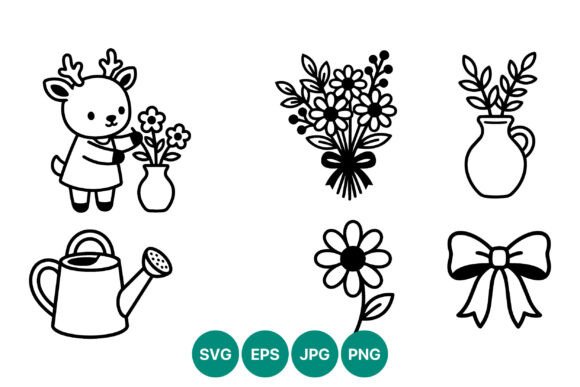
The composition features a charming deer holding a flower pot, accompanied by a bouquet tied with a ribbon, a single flower, a watering can, and a floral vase. It is rendered in a simple cartoon style that feels approachable rather than stiff. For an embroidery designer, this simplicity is a double-edged sword. On one hand, it promises clarity on the fabric. On the other, it requires careful execution to ensure the "cute" factor doesn't get lost in the stitching process. Let's dive into how this machine embroidery design performs when moved from the screen to the hoop.
Real-World Application: From Screen to Stitch
I recently tested this concept on a custom embroidered tote bag project for a small local florist. The client wanted something that felt handmade and organic, not mass-produced. Cute Deer with Flower Pot and Bouquet was the ideal candidate. The layout allows for flexibility; you can center the deer as the main focal point or arrange the surrounding elements—the watering can and vase—as decorative accents along the hem.
The visual appeal of the finished product depends heavily on thread color selection. Since the source is a black and white line drawing, the final look will be entirely defined by your thread choices. I found that using high-contrast colors, such as a deep forest green for the foliage and a soft blush pink for the flowers against a natural canvas background, brought out the best in the design. The simple cartoon style translates beautifully to satin stitch, creating smooth, glossy surfaces that mimic the clean lines of the original illustration. However, if you are aiming for a rustic, vintage feel, utilizing a variegated thread for the fill stitches could add a layer of texture that makes the embroidery project feel even more artisanal.
Ideal Products for This Design
This graphic is versatile enough to fit into various categories, but it shines brightest in specific niches. Here is where I see the highest potential for success:
- Baby Items: The gentle theme makes it perfect for baby bodysuits, burp cloths, and nursery wall hangings. The soft curves of the deer and flowers are non-threatening and inviting.
- Kitchen Textiles: A tea towel or apron featuring the watering can and flower pot creates a cohesive kitchen garden theme. It adds a touch of charm to functional items without being overwhelming.
- Holiday Gifts: During spring or Easter seasons, this design serves as an excellent personalized gift. Imagine a set of matching embroidered pillow covers for a hostess gift.
- Apparel Decor: For sweatshirt embroidery or t-shirts, the design works well on the chest area or as a larger back print. It appeals to parents, teachers, and nature lovers alike.
- Etsy Listings: For digital product sellers, this image serves as a stunning printable mockup. Customers love seeing how a design looks on a physical item before purchasing the file.
Navigating Technical Challenges
While the design is visually appealing, every experienced designer knows that real-world application comes with hurdles. There are specific scenarios where Cute Deer with Flower Pot and Bouquet requires extra caution to avoid ruining the finished product.
First, consider the hoop size. If you are working with a small hoop, the details in the bouquet and the facial features of the deer might become too crowded. Satin stitch density can cause puckering on thin fabrics like jersey or lightweight cotton blends. I strongly advise testing the design on scrap fabric first to gauge the tension and stitch count. If the design includes fine lines for the ribbon or the veins of the leaves, these areas might require a running stitch technique to maintain clarity rather than filling them solidly.
Texture is another critical factor. Embroidering on textured fabrics, such as bouclé or heavy denim, can obscure the delicate lines of the cartoon style. Similarly, stretchy fabrics need a stabilizer that provides enough support to prevent the design from distorting over time. For products that need frequent washing, like baby clothes or kitchen towels, ensuring the stitch density is appropriate is vital. Too much density can make the fabric stiff and prone to cracking, while too little can leave the design looking sparse and cheap.
Dark fabrics present a unique challenge for this specific black and white line art. Without a proper underlay or a light-colored outline stitch, the design may disappear into the background. You might need to adjust your digitizing settings to include a tack-down stitch or a border to ensure the deer stands out against navy or black material.
Impact on Brand and Customer Trust
In the world of craft business and small shop products, the quality of your embroidery speaks volumes about your brand consistency. A sloppy stitch job can undermine customer trust, no matter how cute the design is. Cute Deer with Flower Pot and Bouquet offers a clean canvas that rewards precision. When executed well, it elevates the perceived value of the item. A neatly stitched deer on a tote bag signals attention to detail, making customers more willing to pay a premium for a handmade product.
The design also enhances giftability. The imagery of nurturing—holding a pot, watering plants—resonates emotionally. It transforms a simple piece of merchandise into a thoughtful gesture. Whether you are selling an embroidered patch or a custom sweatshirt embroidery piece, the thematic connection helps buyers visualize the item in their own lives. For commercial embroidery projects, this versatility allows you to create cohesive collections, such as a "Garden Series" featuring different animals and tools.
Practical Designer Notes for Success
Before you commit to a full production run, keep these tips in mind to ensure your digital embroidery file performs as expected:
- Review Stitch Density: Check the file to ensure the fill stitches aren't too dense for the intended fabric weight. Adjustments might be needed for delicate materials.
- Test Thread Colors: Compare light and dark fabric backgrounds to determine the best thread palette. Black and white line art offers infinite possibilities, so choose colors that complement your target market.
- Inspect Small Details: Zoom in on the bouquet ribbon and the watering can spout. Ensure these tiny elements are large enough to be distinguished after stitching.
- Confirm Licensing: Before selling finished items or using this as a design asset in your shop, confirm the licensing terms. Some files are for personal use only, while others allow commercial sales.
- Use Proper Stabilizer: Always match your stabilizer to the fabric type. A cut-away stabilizer is often best for home goods that will be washed frequently.
- Create Mockups: Use the design in printable mockups to preview the final look. This helps in marketing and setting customer expectations.
Ultimately, Cute Deer with Flower Pot and Bouquet is more than just a graphics file; it is a tool for storytelling through thread. Its simple cartoon style and charming subject matter make it a reliable choice for designers looking to add a touch of nature-inspired whimsy to their portfolio. By paying attention to the nuances of fabric, thread, and stabilization, you can turn this digital illustration into a beloved physical object that brings joy to its owner.