Black White Flower Leaf Vector Icons Review
When I first opened the folder for Black White Flower Leaf Vector Icons, my immediate reaction was one of relief. In a sea of overly complex, cluttered floral designs that often turn into muddy messes on fabric, this set offered something refreshing: clarity. As a designer who spends hours troubleshooting stitch density and thread breaks, the simplicity here is not just an aesthetic choice; it is a functional necessity for real-world embroidery projects.
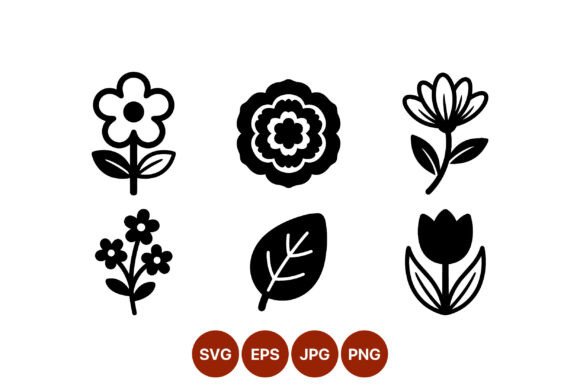
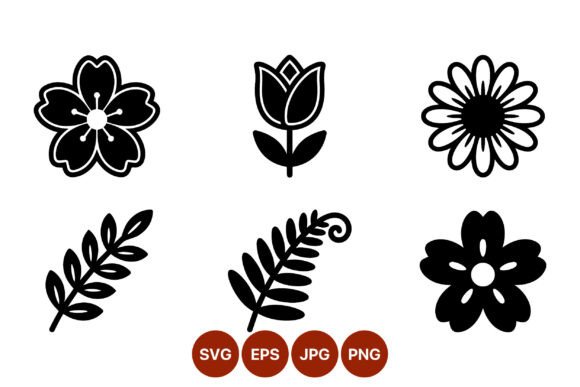
The collection features six distinct shapes—cherry blossom, tulip, daisy, fern frond, and stylized leaves—all rendered in a clean line art style. The mood is undeniably modern and minimalist. It feels less like a traditional botanical illustration and more like a graphic element designed to be integrated into a broader visual system. For those of us selling handmade goods or running small boutiques, this specific vibe translates perfectly to current market trends where clean lines and monochromatic palettes are dominating.
From Digital File to Finished Product
Let's talk about how this design actually behaves when it moves from your screen to the hoop. I recently tested these icons while preparing a custom order for a local coffee shop. They needed embroidered tote bags with a logo that felt organic but professional. The goal was to avoid the "busy" look that often comes with heavy fill stitches.
Black White Flower Leaf Vector Icons performed beautifully in this scenario. Because the original vector files rely on outlines rather than dense fills, the resulting satin stitches lay flat and crisp against the canvas. There was no puckering, and the negative space allowed the texture of the bag to show through without competing with the design. When I stitched the cherry blossom and the fern frond side by side, the contrast between the delicate curves of the flower and the sharp angles of the leaf created a dynamic balance that elevated the entire product.
This kind of versatility is rare. You can use the same file for a high-end boutique brand label or a simple, charming baby onesie. The design assets are robust enough to handle commercial embroidery requirements without losing their soul. Whether you are creating an embroidered patch for a denim jacket or adding a subtle accent to a holiday gift, the line art style ensures the final product looks intentional and polished.
Where This Design Shines in Your Shop
If you are an Etsy seller or a craft business owner, you know that the presentation of your item is just as important as the stitching itself. These graphics serve as excellent design assets for both physical and digital products. Imagine using the daisy icon as a primary motif on a kitchen towel or a pillow cover. The black and white theme makes it incredibly easy to match with any color scheme your customers might request, which reduces the pressure on stocking multiple thread colors.
I also see huge potential for custom apparel. A sweatshirt featuring a single, large fern frond stitched in black thread on a heather grey background screams "modern streetwear." It is understated yet detailed enough to catch the eye. Similarly, for baby embroidery, the soft, rounded shapes of the tulip and daisy are perfect for nursery decor or personalized gifts. Parents often prefer designs that aren't too loud, and this set hits that sweet spot of being cute without being childish.
The adaptability extends to branding as well. If you are building a brand identity for a handmade shop, having a consistent set of floral elements allows you to create a cohesive look across your website, social media mockups, and actual merchandise. Using these illustrations helps establish a recognizable visual language that builds customer trust and engagement.
Practical Considerations for Real-World Use
However, even the best design requires a bit of caution during the digitizing process. While the line art is simple, it demands precision. If you are working with small hoop sizes, you need to be mindful of the scale. A tiny fern frond might lose its definition if the stitches are too thin, especially on textured fabrics like linen or fleece. Always test the design on scrap fabric before committing to a final piece.
Fabric choice is another critical factor. On stretchy materials like jersey knit, the tension required for satin stitches can cause distortion. For these types of garments, ensure you are using the proper stabilizer to support the design. Similarly, if you plan to embroider on dark fabric, the black lines will disappear unless you switch to a contrasting thread color. The value of this design lies in its flexibility, so don't limit yourself to just black thread on white fabric.
There are also areas where this design should be used carefully. Curved surfaces, such as caps or fitted hats, require careful placement. The straight lines of the stylized leaves might look unnatural if they don't follow the curvature of the hat panel correctly. Additionally, while the design is great for decorative accents, it may not be suitable for dense stitch areas that need to withstand frequent washing without pilling or fraying. Always inspect the small details after stitching to ensure the integrity of the work.
Designer Notes for Success
Before you start stitching, there are a few technical steps every professional should take. First, review the stitch density. Even though the file is a vector, the conversion to an embroidery file determines how the machine interprets the lines. Check whether the design works for both personal and commercial projects by verifying the license terms included in the ZIP folder.
It is also wise to compare light and dark fabric backgrounds using printable mockups. This helps you visualize how the black and white theme will interact with different materials. If you are using this for a digital embroidery file project, confirm the file formats provided (SVG and PNG) and ensure they meet your software requirements. Don't forget to check thread color contrast; sometimes a deep navy or charcoal thread can add depth to a black and white design without changing the overall aesthetic.
Finally, remember that a finished product reflects your professionalism. Taking the time to test the design on scrap fabric, confirming hoop size compatibility, and ensuring the stabilizer matches the fabric weight will save you headaches later. Whether you are making a personalized gift or producing items for a craft fair, attention to these details separates a hobbyist project from a professional offering.
In conclusion, Black White Flower Leaf Vector Icons is a practical, versatile tool for any designer looking to add a touch of nature to their work without overwhelming the viewer. Its clean aesthetic and ease of integration make it a standout choice for everything from custom apparel to boutique branding. By approaching the digitization process with care and understanding the limitations of the medium, you can transform these simple lines into high-value, handcrafted treasures that customers will love.